What Is Toxic Flow in Brokerage?
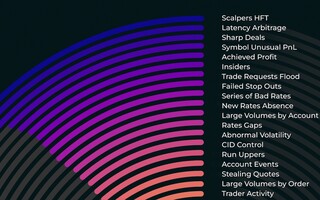
Toxic flow in brokerage is a segment of client or algorithmic order flow that systematically generates losses for the broker. It usually comes from information-advantaged or ultra-fast strategies – for example latency arbitrage, toxic order flow from certain HFT clients, or traders who only appear during sharp price moves. Unlike normal retail trading, this flow is not random: it exploits price delays, quote gaps or weaknesses in the broker’s execution setup.
Why Is Toxic Flow a Problem for Brokers?
When a large share of volume is toxic, the broker’s P&L starts to erode even if overall turnover looks healthy. Hedging becomes more expensive, slippage grows and liquidity providers may worsen conditions or cut exposure limits. Over time, toxic flow distorts risk metrics, increases operational stress and can threaten the stability of the whole dealing environment.
How Do Brokers Detect and Manage Toxic Flow?
Modern risk and analytics systems track toxic flow in real time by analysing trade microstructure, client behaviour, execution speed and quote quality. Once toxic patterns are identified, brokers can take targeted actions: segmenting toxic clients, adjusting markups, changing routing, throttling abusive strategies or improving price feeds and hedging logic. The goal is not to block profitable traders, but to correct structural imbalances so that trading remains fair, sustainable and profitable for both the broker and its clients.